1 - Web Design & Development
Internet and Web Basics
Web History
Internet began as network to connect computers at research facilities and universities, later government
1969 - ARPANET launched by the US DoD connecting four university computers - first packet-switched network
The ban on commercial use only of the internet was lifted in 1991
1991 - Tim Berners-Lee invents World Wide Web, introduces HTML, URLs, and HTTP to share information globally
Web Standards & Accessibility
No single one person or group runs/controls World Wide Web
The World Wide Web Consortium (W3C) sets the global standards that keep the web open, consistent, and interoperable across all browsers and devices
Accessibility ensures everyone can use the web
Developers learn to build inclusive experiences - parthership with Level Access
What is Digital Accessibility
-
Text-to-speech ystems
-
Descriptions of images
-
Keyboard accessibility
-
Heading structures for navigation
-
Properly formatted hyperlinks
-
Readibility
-
Clarity - identifies the content
-
Large print/magnifiers
-
Visual Styling
Coding Langauges Used for Websites
HTML, CSS, JavaScript - structure, srtyle, and interactivity for the frontend
PHP, Python, Java - server logic, databases, and backend processing
Every website on the internet uses HTML in some form
Frontend vs Backend Development
Frontend - User Interface, Visual Design, Layout, User Experience
Backend - Server, Database, Logic, Data Processing
What is HTML?
HyperText Markup Language is the standard language used to structure content on the web
It tells the browser what to display and hot to organize it
HTML uses elements and tags to define content
Current version is HTML5
Uniform Resource Locator (URL)
Top Level Domain - TLD
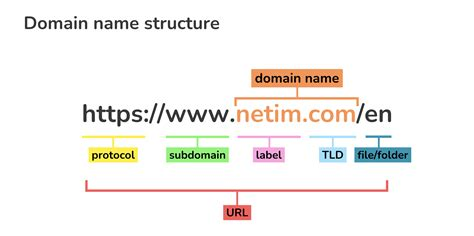
During this course, we will create our personal URL